*Editor’s note: This is the first part of a two-part article looking at the contrasting histories of Brunot Island and Washington’s Landing. It was written by Macklin Monaghan, a former intern for The Northside Chronicle, as an internship final project.
The Northside is home to two of Pittsburgh’s most historic islands: Brunot Island and Washington’s Landing. However, the development of these two islands reveals an interesting contrast when put into perspective.
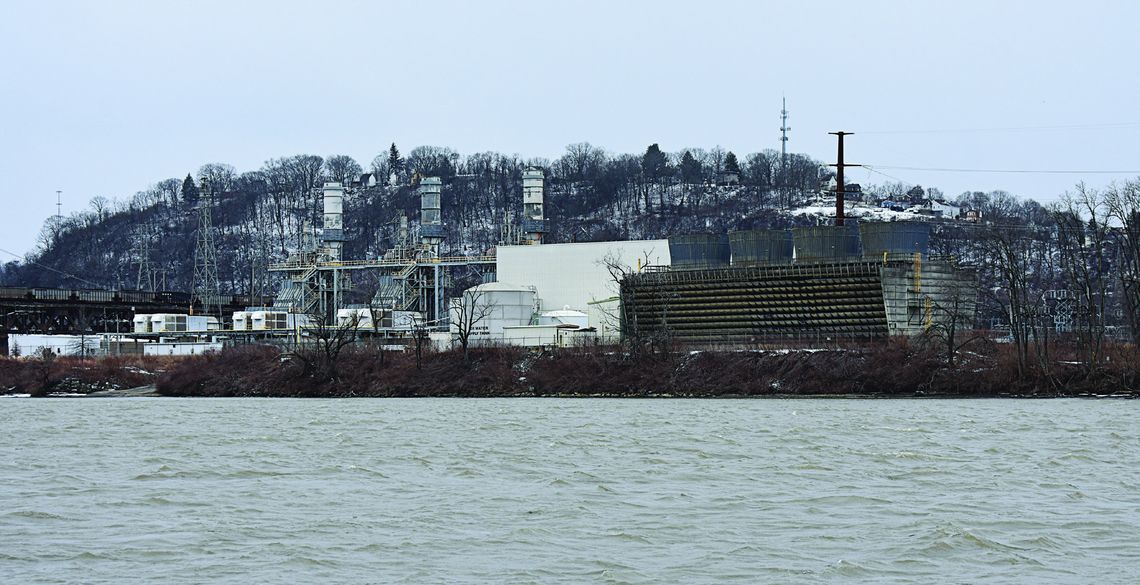
The island known as Brunot Island is made up of 129 acres of land. Brunot Island is located on the Ohio River, about one mile from downtown Pittsburgh. Today, Brunot Island is home to a power generating station containing a natural gas plant.
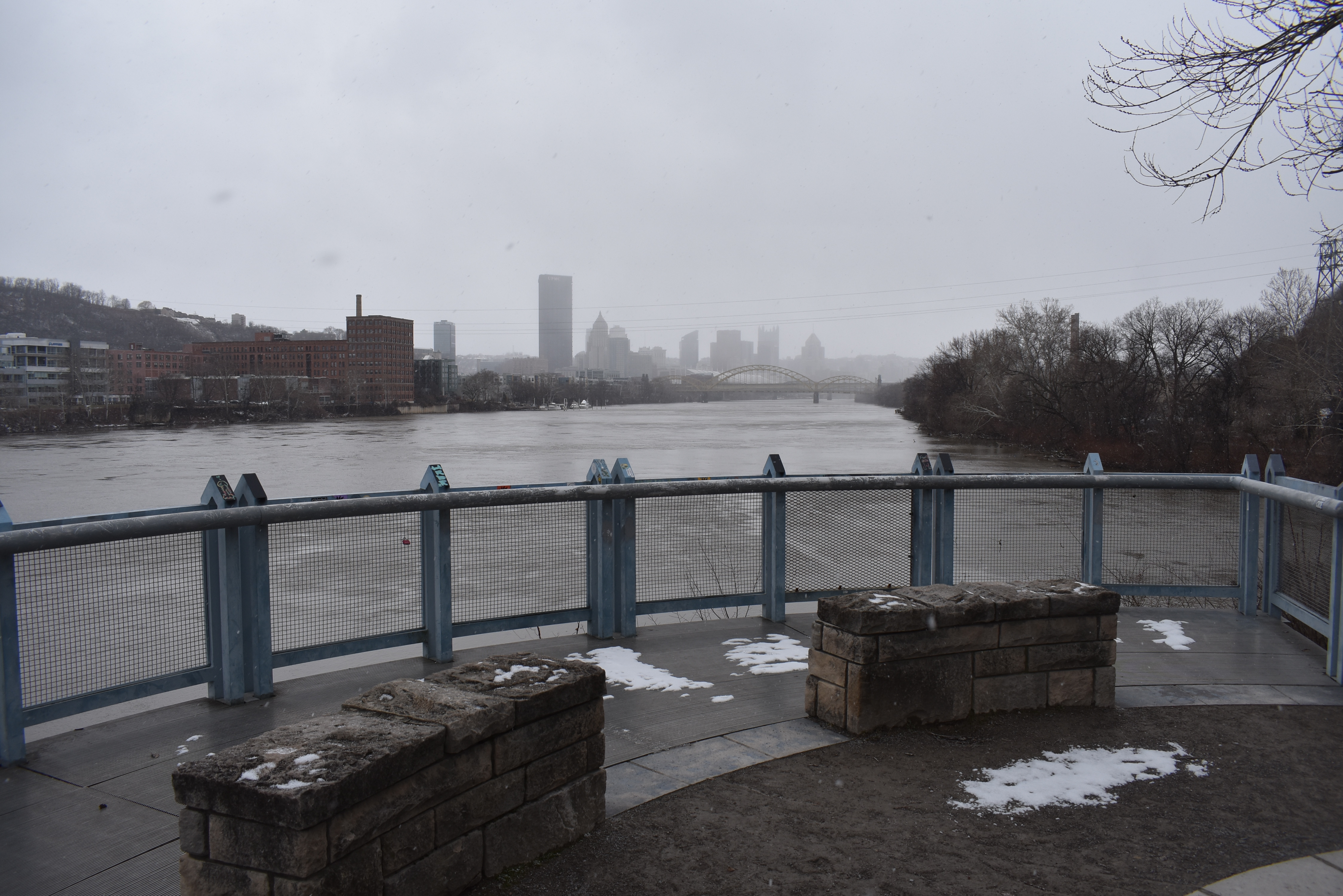
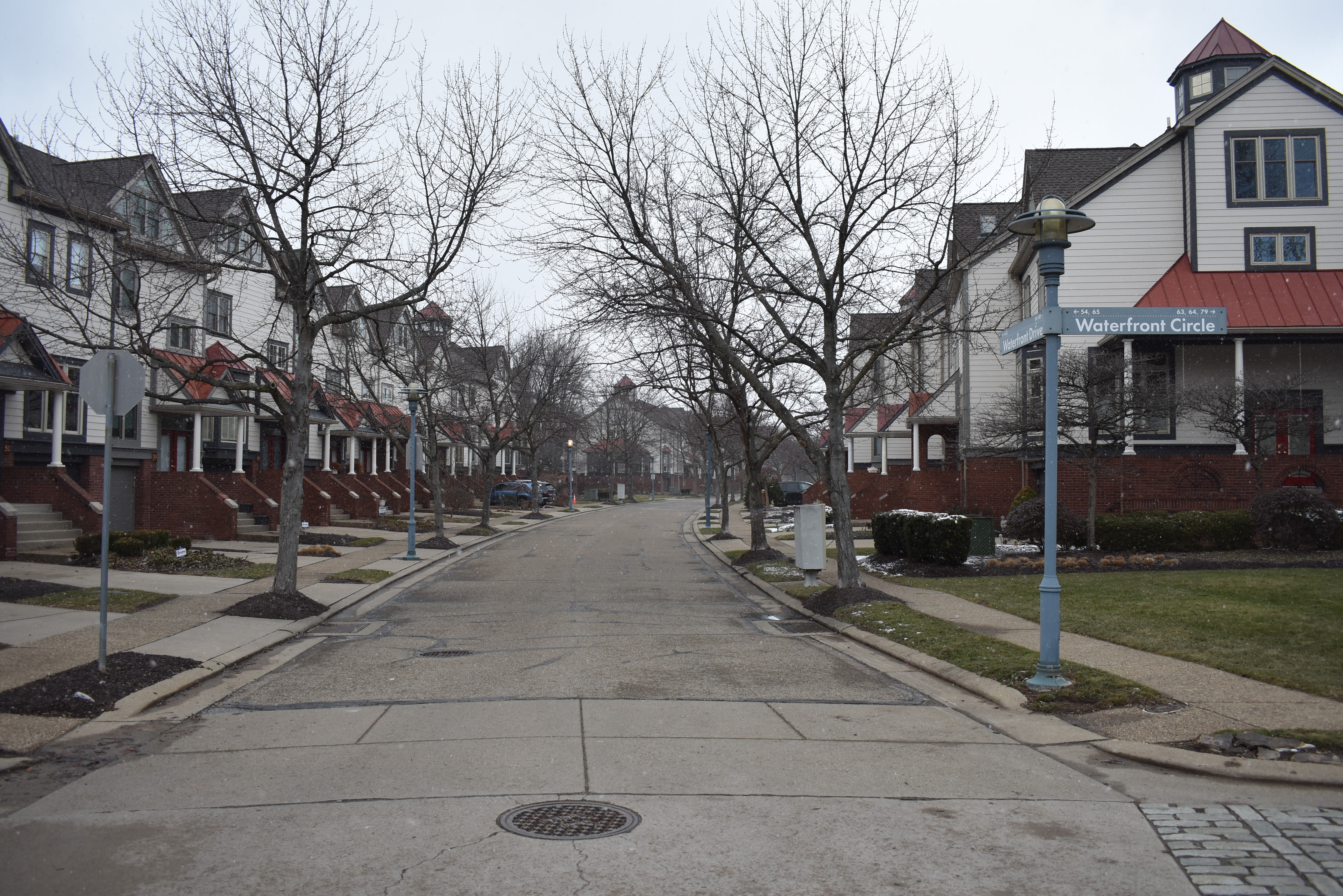
Meanwhile, Washington’s Landing, also known as Herrs Island, is comparatively almost a third of the size; ranging 42 acres of land across its borders, Washington’s Landing is located on the Allegheny River, and is home to residential living and light industry according to the Urban Redevelopment Authority of Pittsburgh.
W hile both islands were developed by small groups of settlers in pre industrial times, both saw drastic changes impacted by the industrial revolution, leaving behind little to no room for residential opportunity. However, today Washington’s landing stands as both a symbol of riverfront residency and a recreational hub of Pittsburgh.
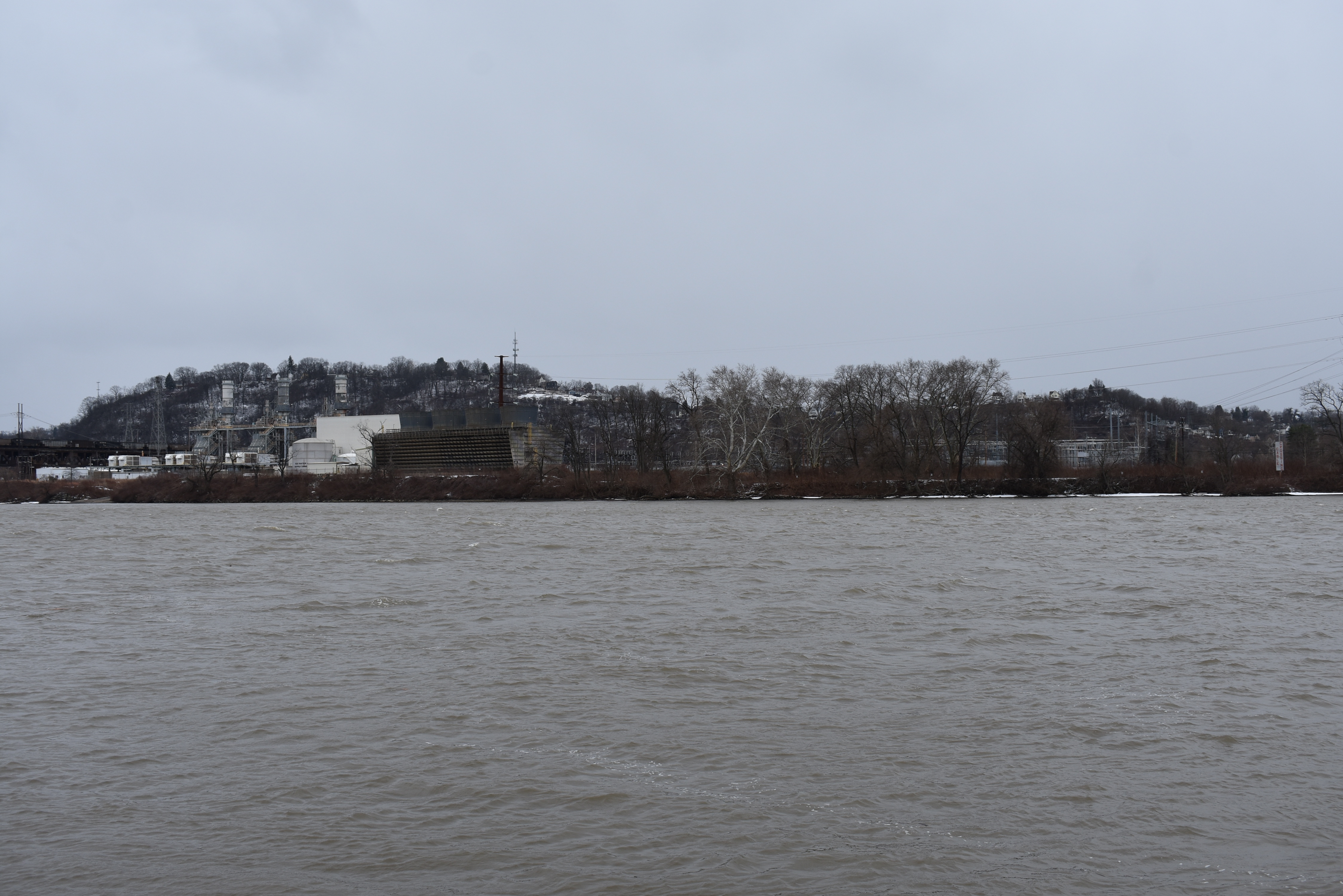
Meanwhile, Brunot Island continues to hold onto its industrial roots. The question stands of why Washington’s landing was able to redevelop and create such opportunity, while Brunot is left in industrial standing.
In an interview with The Chronicle, District Two Representative Theresa Smith talked about her experience with the island, explaining that Brunot Island was only recently integrated into her district from the Northside.
When asked about the topic of Brunot Island today, Smith said “There’s lots of discussion, a lot of young people with more vision, great ideas and a lot of high hopes. There’s a lot of people in the community wondering what we can do, and what opportunities are in the area.”
Smith added on to this concept by including an interaction she had with the public, saying “according to some of the people who have talked to me, they love the idea of having different recreational offerings. They love thinking of the idea of it being some type of park or some type of area where it can be a tourist attraction, but we require something to help us get there, so that’s one of the things they are actually talking about.”
Smith finished her statement saying, “Coming up with all these ideas, I’m like what can I do? They sound great, but in reality I can’t even get a fence painted or trees cut in Mount Washington right now.”
According to the National Park Service, Dr. Felix Brunot operated a farm on Brunot island until 1819, coining the title it holds today, during which, the famous Lewis and Clark Expedition made its first stop, arriving on Brunot Island on August 31, 1803.
Captain Meriweather Lewis was a friend of Dr. Brunot; however, not long after Lewis touched down on Brunot Island, a startling chain of events unfolded.
According to Gary E. Moulton’s “The Definite Journals of Lewis and Clark” Lewis landed upon the shore of Brunot Island, and was subsequently invited by a group of men to present his airgun. Lewis demonstrated his marksmanship to the men upon his arrival on shore. Lewis then almost spelled disaster when allowing Blaze Cenas, a man on the island, to handle his rifle, upon which Cenas accidentally discharged the firearm.
According to Lewis’s quote, the bullet flew through a nearby woman’s hat standing about 40 yards away, leaving an injury on her temple, though luckily inflicting no real damage.
Brunot island continued its agricultural purpose up until 1894; however, Dr. Brunot himself departed from the island when selling it in 1819. According to the National Park Service, this was due to a large flood that occurred in the region during the year 1811, in which Dr. Brunot watched his farm’s infrastructure collapse and be swept away in the process. It could be speculated that Brunot Island’s proneness to flooding played a role in the island seeing no similar residential development to that of Washington’s Landing.
In 1894, amidst The Industrial Revolution, major change came to Brunot Island, with entrepreneurial industrialist George Westinghouse acquiring the island, according to the NPS. Westinghouse was both an American patriot and visionary, fleeing home from age 15 in order to serve in the Civil War, according to the Library of Congress.
During the 1880s, the greater Pittsburgh region held an abundance in natural gas, however technological and scientific prowess were lacking in order to harness this dangerous but powerful energy source. Westinghouse took this as a challenge, putting time and research into harnessing this energy source, acquiring a patent titled the “System for Conveying and Utilizing Gas Under Pressure,” in which he used to expand his energy company only about a decade before his purchase of Brunot Island, according to the Westinghouse Memorial website.
According to the NPS, within a decade of purchasing Brunot Island, its first electrical plant was constructed by Westinghouse’s facilities, shaping the island’s purpose that is present today.
However, Brunot Island is not the only island of the Northside to have significant figures of American History appear on its shore, nor is it the only one to have an almost catastrophic event. In fact, Herrs Island’s history goes even farther back than that of Brunot Island, while being the significantly smaller of the two.
The name “Washington’s Landing,” may seem to be a new concept to some older folk that still remember Herrs Island, however the history of this phrase goes past the settlement of Benjamin Herr.
According to Carnegie Mellon University, it all began in 1753 with the famous near-death experience of then-21year-old Major George Washington, the future first President of the United States. According to Mount Vernon’s website, On Dec. 11, after conducting an unsuccessful diplomatic mission with the French Commander at Fort Le Boeuf, Washington and his guide Christopher Gist found industrial livestock center that it is remembered for today.
The history that Washington’s Landing is commonly known for today didn’t take full effect until 1903, with a legislative passing in 1906 being the driving factor. According to the National Agricultural Library, “The Twenty-Eight Hour Law was originally passed on March 3, 1873. The law was then repealed and reenacted in 1906 and again in 1994 to set humane standards for the transportation of livestock.”
This law was passed with the intention for livestock being transported for longer than 28 hours to be rightfully due for a five hour resting period, in which they could feed and hydrate before continuing transport. This course of legal action led to the development that transitioned Herrs Island from a center of oil and lumber industry, to the livestock and packing legacy it holds today.
Ray Meyer is a lifelong Northsider who remembers Herrs Island during its industrial prime, as well as the events that reshaped the island into Washington’s Landing today.
In an interview conducted by The Chronicle, Raymond said “growing up, there were train loads and truck loads of cattle and hogs being delivered to Herrs Island, and then going to the slaughter house, I do remember a lot of people — even my next door neighbor that worked in packing, so it did create a lot of jobs on that island.”
Meyer explained how the industrial complex of Herrs island shaped the neighborhood he lived in.
“There were quite a few people on Troy Hill that literally walked to work,” he said “They walked the city steps that went down Rialto street — which a lot of people called Pig Hill.”
While Meyer cannot confirm the historic accuracy of his statement, he claims that Pig Hill was nicknamed after the livestock that were chased down hill by farmers to the packing plant on Herrs Island. However, Meyer also claimed learning later on from one Pittsburgh historian, that upon arrival livestock were in fact chased up the hill and into Spring Garden, as Meyer recalls a second packing place located across from Spring Garden school.
“Again, you heard it two different ways, but that’s how it came to be, nobody on Troy Hill ever called it Rialto street, it was called Pig Hill,” he said.
According to the Brookline Connection, in 1903 the Pennsylvania Railroad purchased a portion of the land as a resting ground between its route from Chicago to New York, in part to abide by the new federal legislation.
However, the Historic Pittsburgh website cites that the first stockyards were actually constructed in 1885, which would be in accordance with the legislative’s first attempt at being realized. According to Historic Pittsburgh, this slow but sure transition into livestock and packing would ultimately lead to Herrs Island becoming America’s 10th largest livestock terminal—from as early as 1903 up until 1950.
This hub of livestock was split between two separate companies, the Pittsburgh Joint Stock Yards and the Pittsburgh Provision company, which not only operated the slaughter house but included public events such as auctions and livestock shows.
*Editor’s note: This is the end of Part 1 of the article. Check in the April edition for Part 2.