Gov. Josh Shapiro recently kickstarted the state’s annual budget process by unveiling an encouraging proposal with an emphasis on affordability, education, jobs, and health care.
The hard work lies ahead as we hammer out a final budget plan for 20262027, and as a member of the House Appropriations Committee, I look forward to rolling up my sleeves and getting it done.
“We’re solving problems and getting stuff done to improve people’s lives,” Shapiro said, reflecting my own feelings about what a good budget accomplishes.
Shapiro proposed a $53.3 billion spending plan, which would be $2.7 billion more than this year.
It calls for no broad-based tax increase but counts on more revenue from other sources which I support: legalizing and taxing adult-use cannabis; regulating and taxing video skill games; and raising the minimum wage to $15 an hour, which would generate more income and sales tax revenue and save money on entitlement programs such as Medicaid.
It’s important to note, however, that raising the state’s outdated minimum wage of $7.25 per hour is about more than just increasing state revenue. It puts more money in workers’ pockets and helps families make ends meet, and especially now, that’s critical.
For schools, the governor also proposed $100 million more for basic and special education. He also seeks to continue our annual investments in school facilities improvement, safety and mental health grants — all of which are important priorities for me.
Along with that, the governor is looking to invest more in teacher professional development, student teacher stipends, and childcare recruitment and retention.
These types of expenditures truly are investments — worthwhile investments in our children and our future.
Another priority of mine is mass transit, because Pittsburgh Regional Transit and other transit systems are struggling to keep pace with growing costs.
The governor proposed an extra $319 million from existing state revenues for transit systems statewide. Meanwhile, I will continue to push my own legislation to create a new, dedicated funding source for mass transit by raising the state’s car rental and leasing fees and establishing a 6% excise tax on ride-hailing services such as Uber and Lyft.
The state budget also funds much-needed transportation projects — projects I will be advocating for in the 19th District to make our streets and sidewalks safer and more accessible.
For instance, three Northside projects recently received funding from the current budget for these purposes: Northside Leadership Conference received $594,540 for pedestrian lighting along East Ohio Street; Urban Impact Foundation received $339,742 for pedestrian safety along North Charles Street; and the Children’s Museum of Pittsburgh received $136,101 for sidewalk improvements.
Another pressing problem today is the cost of housing, and the governor laid out a plan to lower the cost of housing and rent across the state. It includes creation of a $1 billion Critical Infrastructure Fund, supported by the issuing of bonds, for housing and other infrastructure projects.
We have to keep in mind the political reality — state government is divided with a Democratic-controlled House and GOP-controlled Senate. That’s why it’s going to take a lot of work and some eventual compromise to achieve a final budget plan, but I’m committed to one that will support Pittsburghers and Pennsylvanians in their everyday lives.
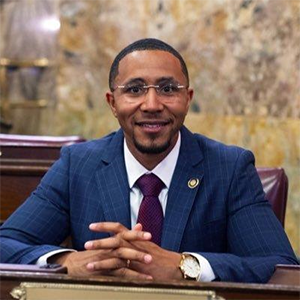
State Rep. Aerion Abney represents the 19th Legislative District.