By State Rep. Abney
It wasn’t easy, but we got it done.
On Nov. 12, the General Assembly passed a balanced, bipartisan budget with no tax increases or reductions to the Rainy Day Fund, and Gov. Shapiro signed it into law.
As a member of the House Appropriations Committee, I am confident that this budget pays our bills, supports every child in every school, preserves vital services, and prevents layoffs. It ensures the continued delivery of essential services that people rely on, even amid an unpredictable federal government.
This budget allocates just over $50 billion — a compromise among the governor’s original proposal, our House plan, and the Senate’s approach of simply extending last year’s budget.
For Pennsylvania schools, we are delivering on our constitutional obligation to give students in every district the resources they need to succeed.
The budget includes $800 million in K–12 education investments, including $125 million for school facilities and an additional $40 million for special education. The Pittsburgh School District will receive a total increase of $9.48 million, or 4.2%.
While federally funded food programs such as SNAP have faced recent disruptions, we stepped up with a budget that addresses food insecurity. Our budget provides an additional $11 million for two state food programs, including $7 million more for Farmers Market Coupons—a 271% increase in funding for that program.
We also made sure that seniors are treated with compassion as they age. The budget invests $750 million in managed care—an 8% increase—including $21 million for direct care workers.
Our budget is also good for working families and economic growth, which are key to Pittsburgh’s future.
It invests more than $100 million in job creation, innovation, and entrepreneurial support. The budget also includes provisions to speed up permit approvals when excessive state delays hinder local business growth.
For working families, we’re helping them make ends meet as prices keep rising.
The budget puts more money back in the pockets of working families through the Working Pennsylvanian Tax Credit. Anyone who qualifies for the federal Earned Income Tax Credit will automatically qualify for a state-level tax credit worth 10% of the federal credit when filing local taxes — that’s anywhere
in the pockets of working parents.
Those are just some of the highlights. It might not have everything that everybody wanted, but it’s the result of compromise.
Even so, it’s good for Pittsburgh and good for Pennsylvania, and I am eager to continue working on our state budgeting priorities
as your representative in Harrisburg.
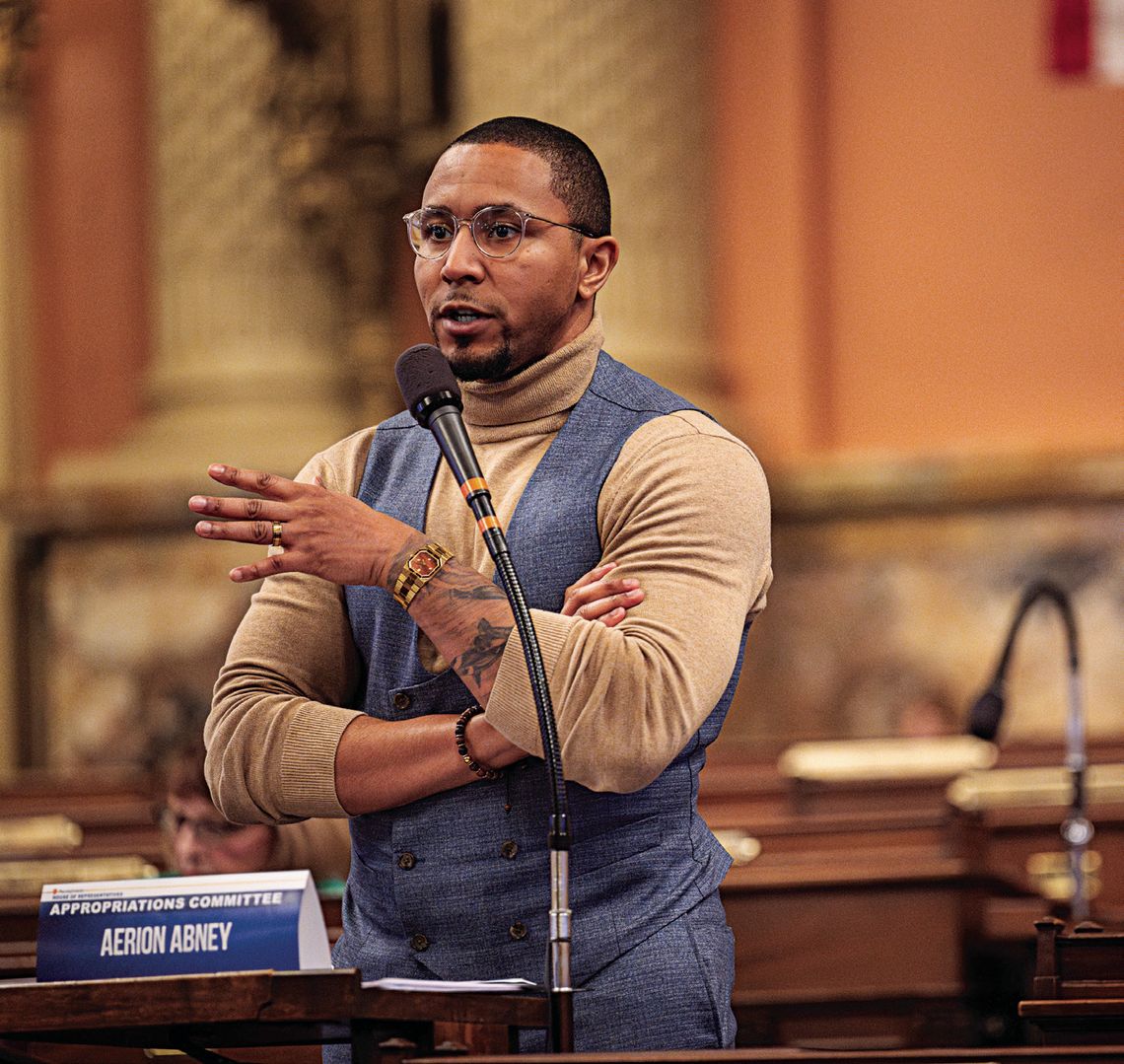
State Rep. Aerion Abney represents the 19th Legislative District.