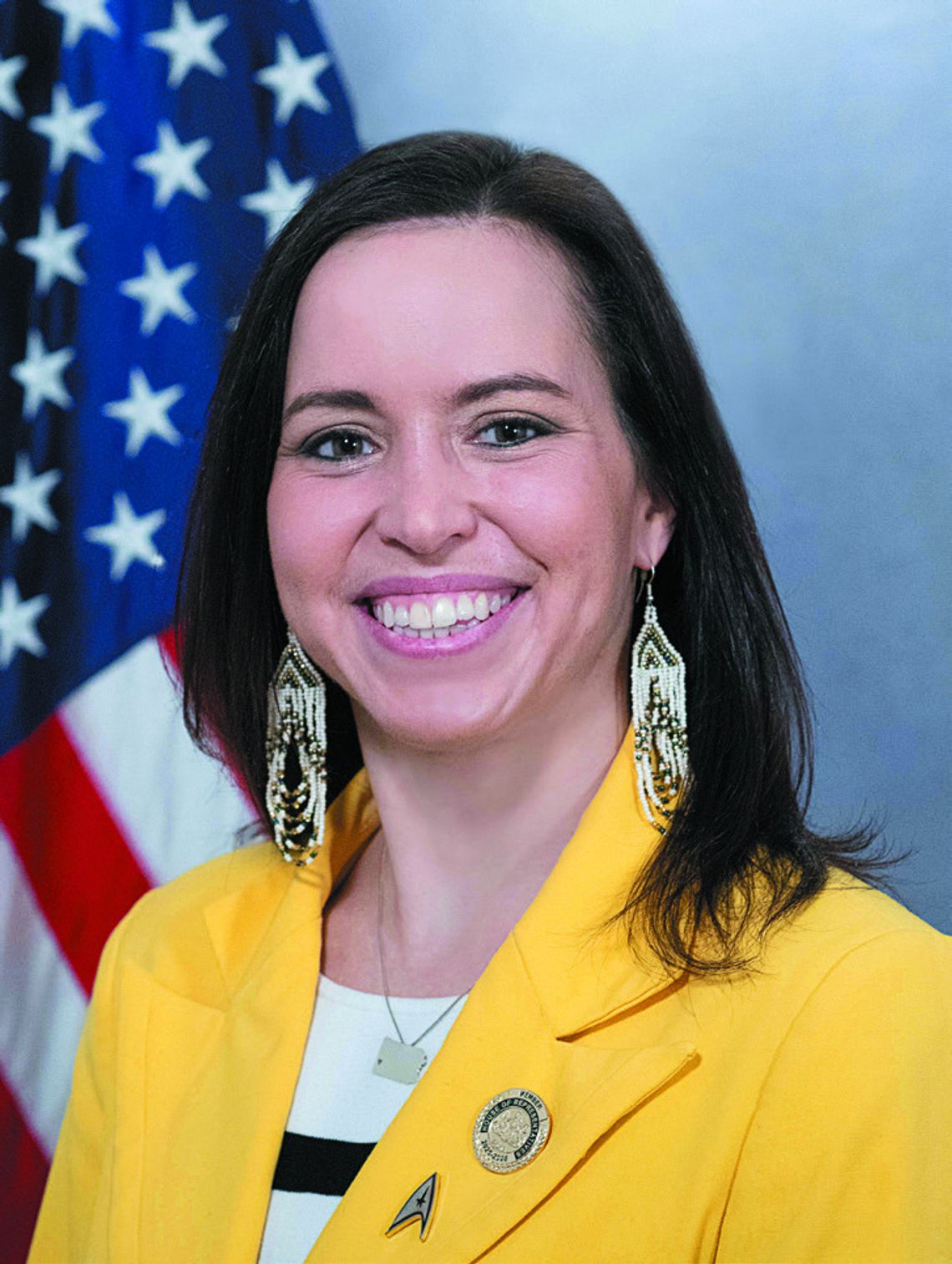
By Rep. Kinkead
Each September, we recognize Hunger Action Month – a time to reflect on the reality that far too many of our neighbors don’t know where their next meal is coming from, and to recommit ourselves to building a future where no child, no senior and no family goes hungry in Pennsylvania.
As co-chair of the Legislative Hunger Caucus, I spend a lot of time working across the aisle to tackle food insecurity through policy. But it’s critical that lawmakers acknowledge hunger is not some abstract policy challenge. It is the child in our classrooms who cannot concentrate because their stomach is empty. It is the senior citizen who must decide between groceries and medication. It is the working family who, despite doing everything “right,” still comes up short at the end of the month.
And right now, hunger is worse than it was at the height of the pandemic. That fact surprises many people, but the explanation is straightforward: during COVID-19, the federal government expanded programs such as SNAP (the Supplemental Nutrition Assistance Program, also known as food stamps) and provided school meals to every student in the country. Those investments worked. Food insecurity, especially among children, went down. But instead of building on that progress, Congress chose to let those expansions expire. The result? Families are still struggling to put food on the table, and more children are going hungry.
To make matters worse, the Trump administration is pushing additional cuts to SNAP that would only deepen the hunger crisis. The evidence is clear that SNAP is one of the most effective tools we have to combat hunger. Policymakers saw the positive impact of expanding it and still chose to turn back. That is unacceptable. Hunger is not inevitable; it is a policy failure.
At the state level, we can and must do better. That’s why, across several legislative sessions now, I’ve consistently introduced legislation to create a universal school meals program – providing breakfast and lunch to every K-12 student in the commonwealth – and eliminate existing school meal debt.
School lunch is as fundamental to learning as textbooks and teachers. A hungry child cannot focus, retain information or thrive in the classroom. During the pandemic, when all students had access to meals, we saw the difference it made, not just in hunger rates, but in student success and the overall school environment. Teachers could teach, kids could learn, and no students were shamed for not being able to afford lunch. Now, as grocery prices continue to climb, families who were already stretched thin are now expected to pay even more.
Eliminating school meal debt is just as important. Right now, children across our commonwealth collectively owe about $80 million in unpaid meal debt. Think about that: half a million kids are living with food insecurity in Pennsylvania, and instead of making sure they have what they need, we are sending them home with bills that their families cannot pay. Meal debt is not just a financial burden, it’s an emotional one. Children are singled out, shamed or denied meals altogether because of circumstances entirely outside their control. That is cruel, and it undermines both their dignity and their education.
The cost of feeding every student in Pennsylvania schools pales in comparison to the immeasurable return on investment: healthier kids, stronger academic performance, reduced long-term health costs, and a brighter future for everyone in our commonwealth.
Lastly, we at the General Assembly need to hammer out a budget that will shield all Pennsylvanians from the USDA’s LFPA (Local Food Purchase) grant cuts. To do so, it’s beyond paramount that we *fully* fund both SFPP (the State Food Purchase Program) and PASS (the Pennsylvania Agricultural Surplus System), which means $9.5 million and $1.5 million, respectively, above Governor Shapiro’s already-historic increase to each. Both of these programs go a long way to ensuring that everyone in our Commonwealth has access to fresh and healthy food choices, but the current funding leaves both programs at a “break-even” point and that is just not sustainable.
As the name implies, Hunger Action Month is not just a slogan. It is a call to action. We know our best shot at eliminating hunger is through robust investments in SNAP, universal access to school meals, and policies that treat food as the basic human necessity it is. The choice before us is whether we are willing to act.
As a state lawmaker, I am committed to fighting for these solutions. But this is not a fight I can win alone. It will take all of us – advocates, parents, educators, community leaders and neighbors – speaking out, demanding better, and holding policymakers accountable.
Hunger is a problem we can solve. We just have to choose to solve it. If you want to learn more about my work to fight hunger, or if you know someone who is struggling with food insecurity, please reach out to my office and we will be happy to answer your questions and help however we can. Call (412) 321-5523 or email [email protected], or stop by my district office, located at 658 Lincoln Ave. in Bellevue.